U.S. Military Operation in Venezuela Captures President Maduro
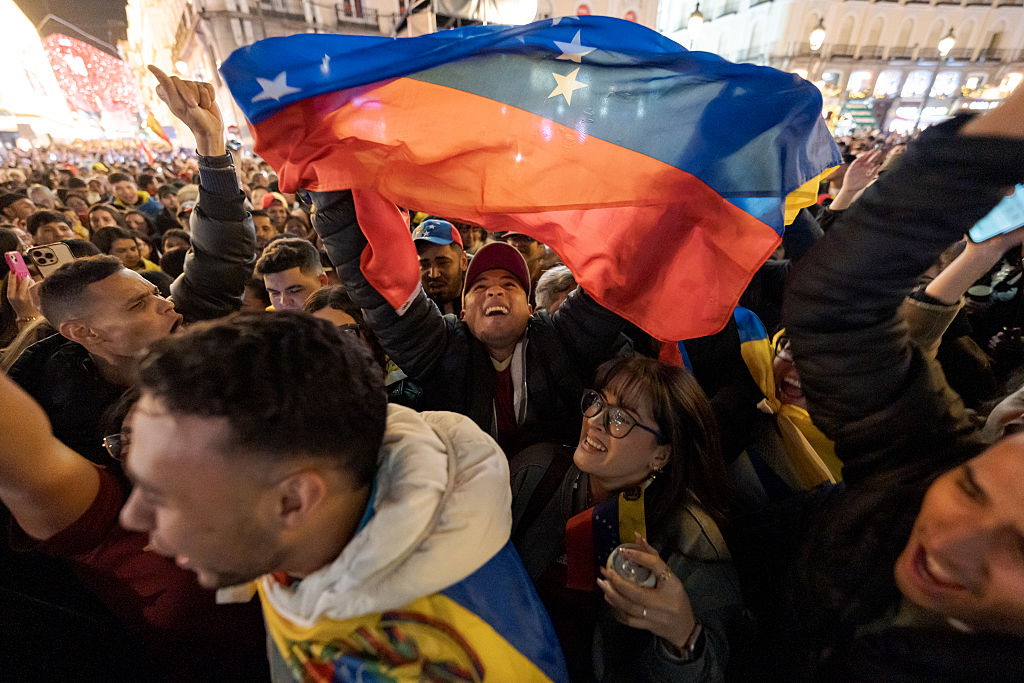
MADRID, SPAIN - JANUARY 03: Hundreds of people during the rally in support of Venezuela and celebration for the arrest of Nicolas Maduro, at Puerta del Sol, January 3, 2026, in Madrid, Spain. It is an act of support to the Venezuelan people, celebration of Maduro's arrest after the US attack and demand for freedom for political prisoners and regime change. (Photo By Diego Radames/Europa Press via Getty Images)
Historic escalation as Washington seizes Venezuelan leader amid global outcry
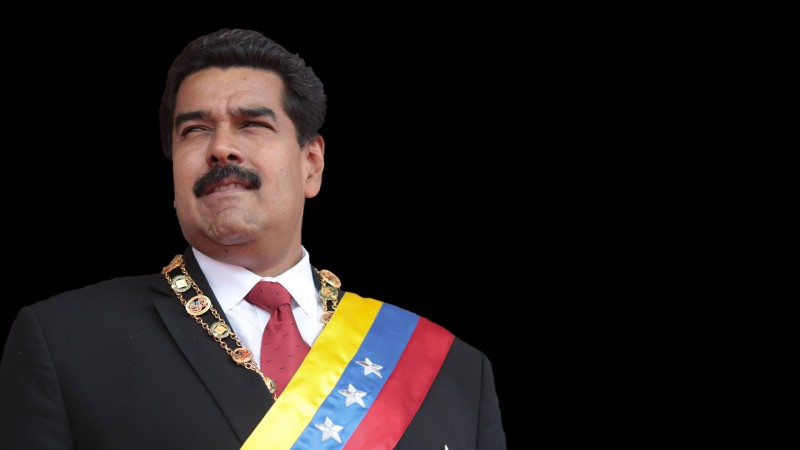
In a dramatic and unprecedented move, the United States military launched a large-scale operation in Venezuela in the early hours of January 3, 2026, culminating in the capture of Venezuelan President Nicolás Maduro and his wife, Cilia Flores.
American special forces, backed by extensive U.S. air power, carried out strikes across Caracas and northern Venezuela before extracting Maduro and flying him to the United States to face federal charges, including alleged drug-related offenses.
The mission, reportedly dubbed “Operation Absolute Resolve,” marked the most significant U.S. military action in Latin America in decades, drawing intense global scrutiny.
U.S. officials, including President Donald Trump, asserted that the intervention aimed to dismantle Maduro’s government and address alleged narco-terrorism ties, while also promising a transitional period of American oversight in the country.
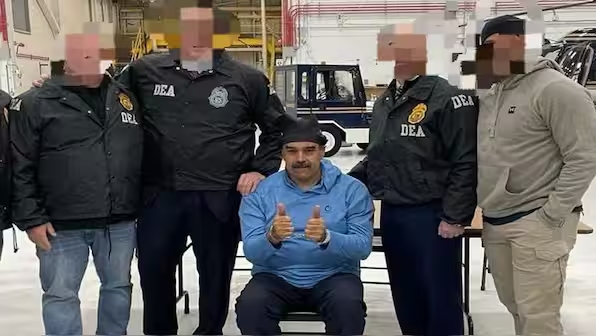
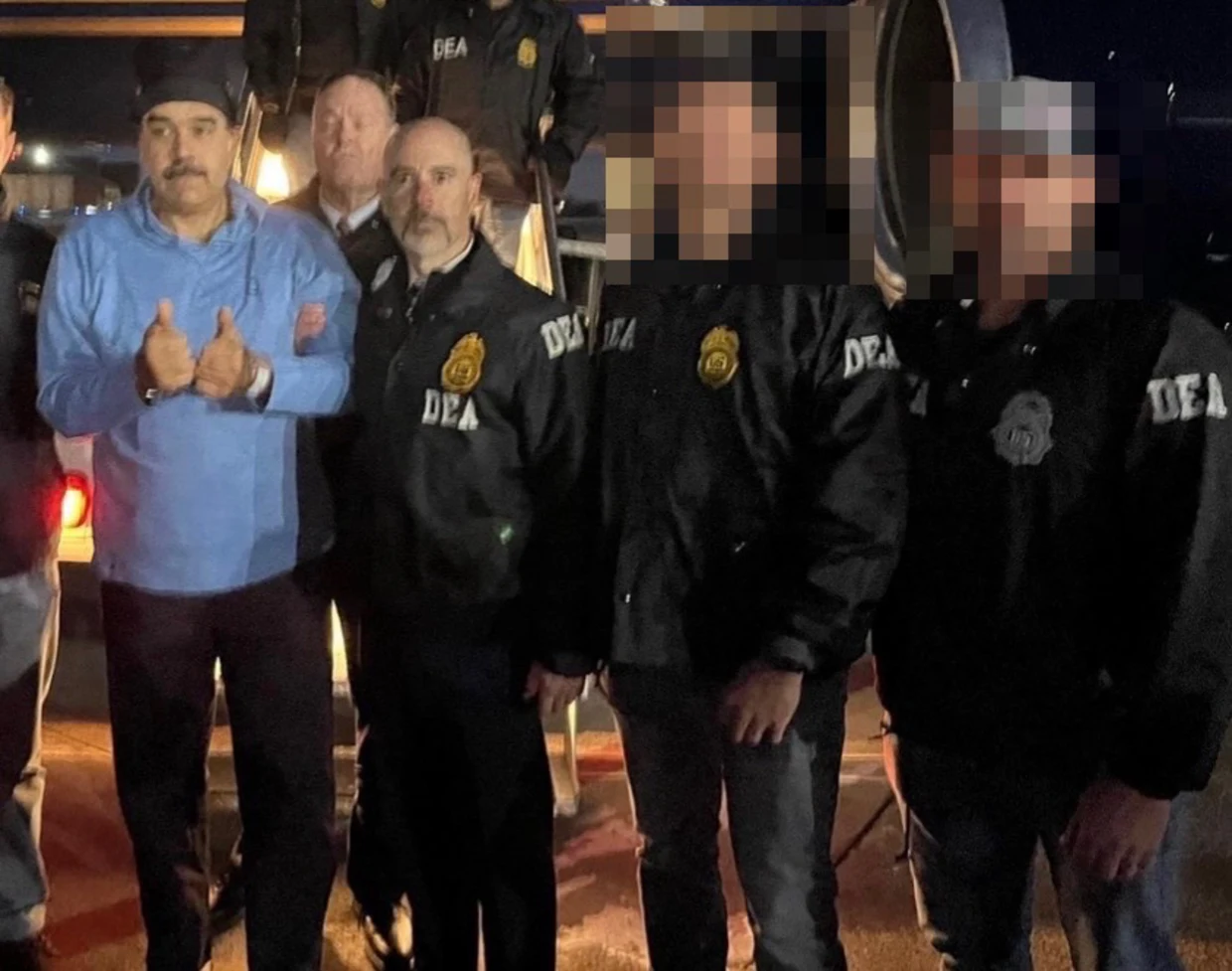
Venezuela’s Vice President Delcy Rodríguez was quickly declared interim president by the nation’s Supreme Court, rejecting the U.S. action as a “kidnapping” and urging national unity against foreign aggression.
The international community reacted with sharp division: some leaders condemned the operation as a violation of sovereignty and international law, while others saw it as a bold strike against an authoritarian regime. As Maduro prepares to appear in a U.S. court in New York, the region braces for political uncertainty and heightened tensions.